Film Criticism with the Aim of “Learning Together”; A Report on the Short Film Critique Session at the Institute of Art and Islamic ThoughtFilm Criticism with the Aim of “Learning Together”; A Report on the Short Film Critique Session at the Institute of Art and Islamic Thought
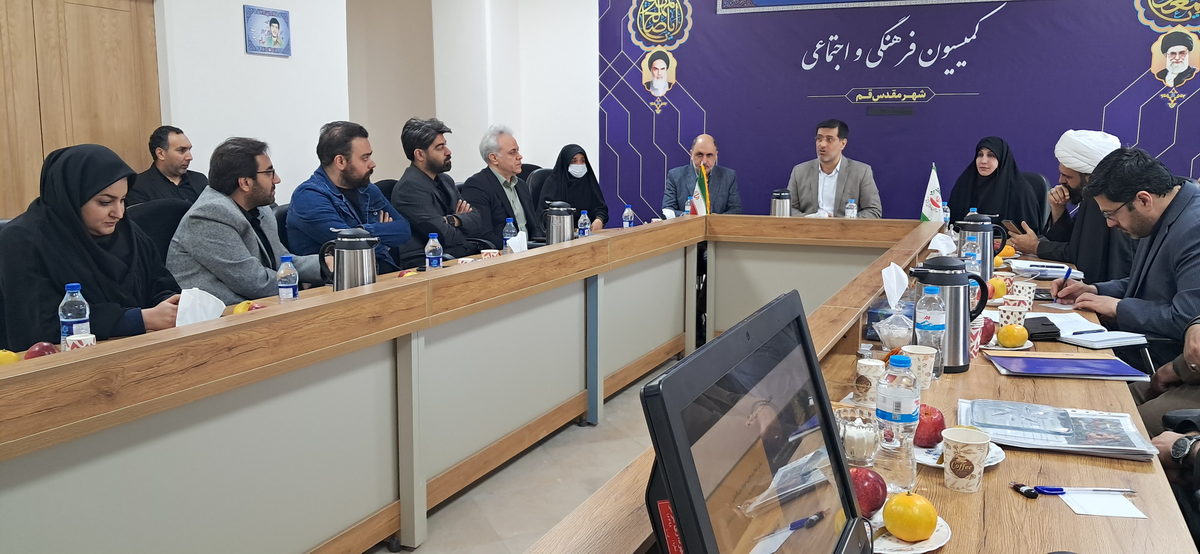
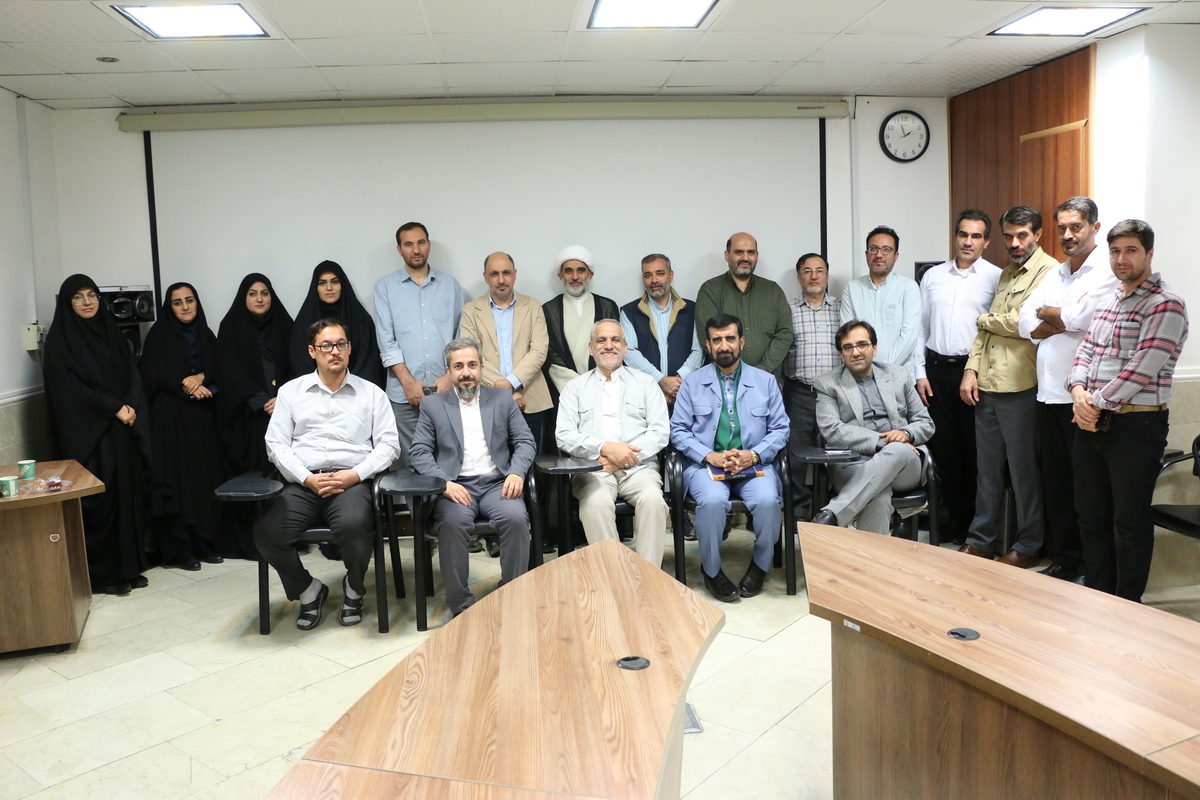
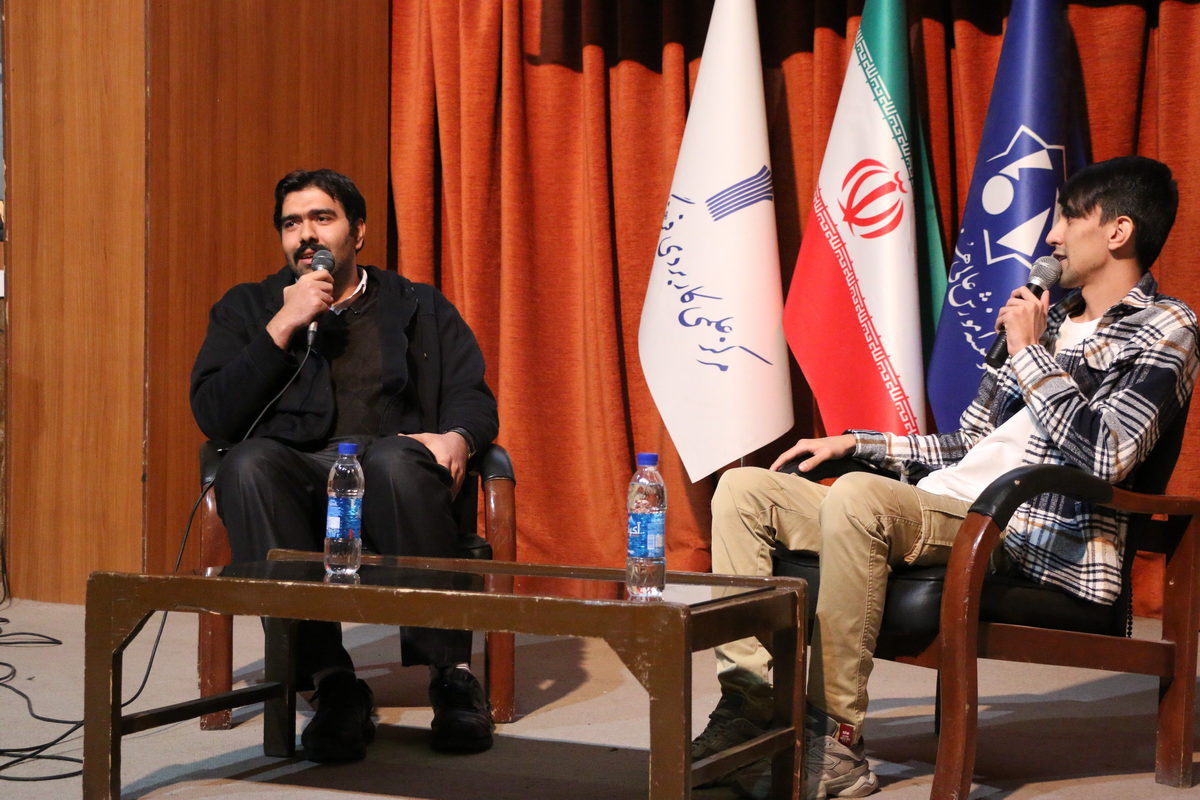
A special meeting for the review and critique of two short films, “Día de los Muertos” and “The Law of the Group,” was held in Qom through the efforts of the Perspektive Cultural and Artistic Center and the Institute of Higher Education of Art and Islamic Thought. The session, which was well-received by cinema enthusiasts, was hosted by Abolfazl Soltanifar and featured critique and analysis by Aria Bagheri.
A Different Beginning; Escaping the Illusion of Critique
At the beginning of the session, Abolfazl Soltanifar, the host, warmly explained the goals of this series of meetings. Referring to the lack of dialogue-oriented and practical spaces for artistic critique in the city, he stated that the main purpose of this program is “learning” and “learning together.”
Soltanifar said, “Many of us asked why we are doing this. Our goal is to learn and to help each other in the future.” Criticizing some critique sessions that have “no fruit” and where “we all remain under the illusion that we were right,” he added, “Even watching critiques on YouTube is good, but the lack of interaction with the audience and the inability to ask questions bothered me.”
He emphasized that these meetings are designed to fill this “gap in our city’s artistic community” and expressed hope that with the continued presence of the audience, these sessions would continue in the future.
Critic or Director? Critique as Dialogue
Following this, Aria Bagheri, a critic and director of theater and cinema, was introduced as the session’s critic. Bagheri, who holds a master’s degree in cinema from Soureh University and has experience attending workshops by masters such as Asghar Farhadi and Abbas Kiarostami, began his remarks with a different definition of critique.
Noting that he has worked both in creating works and in critique, he said, “The main pain is not just creating,” but rather correctly understanding the work. Bagheri emphasized, “Critique is an adjective, not a profession. Critique means dialogue. We should not be afraid to express our opposing opinions.”
Review of “Día de los Muertos”; Beyond the Coco Animation
In the main part of the program, the film critique began with the short animation “Día de los Muertos.” Aria Bagheri first mentioned that this animation was made before the famous animation “Coco” and delved into its cultural roots.
Bagheri explained, “This is an indigenous Mexican ritual rooted in Aztec culture, held in late October and early November.” He elaborated on the mythology of this ritual, including the legend of “Mictecacihuatl” (the goddess of the underworld) and the seven levels of the world of the dead, and noted that the foods seen in the animation are offerings that the living place on graves.
The session’s critic said in his visual analysis of the film, “The film intelligently uses the element of defamiliarization; where the child enters the world of the dead, the atmosphere is initially scary, but suddenly the skeletons start playing the guitar and celebrating, thus breaking the audience’s fear.”
The session continued with the critique and analysis of the short film “The Law of the Group” and a Q&A with the attendees.